

Colive Fukuoka
Yame Guidebook
日本語
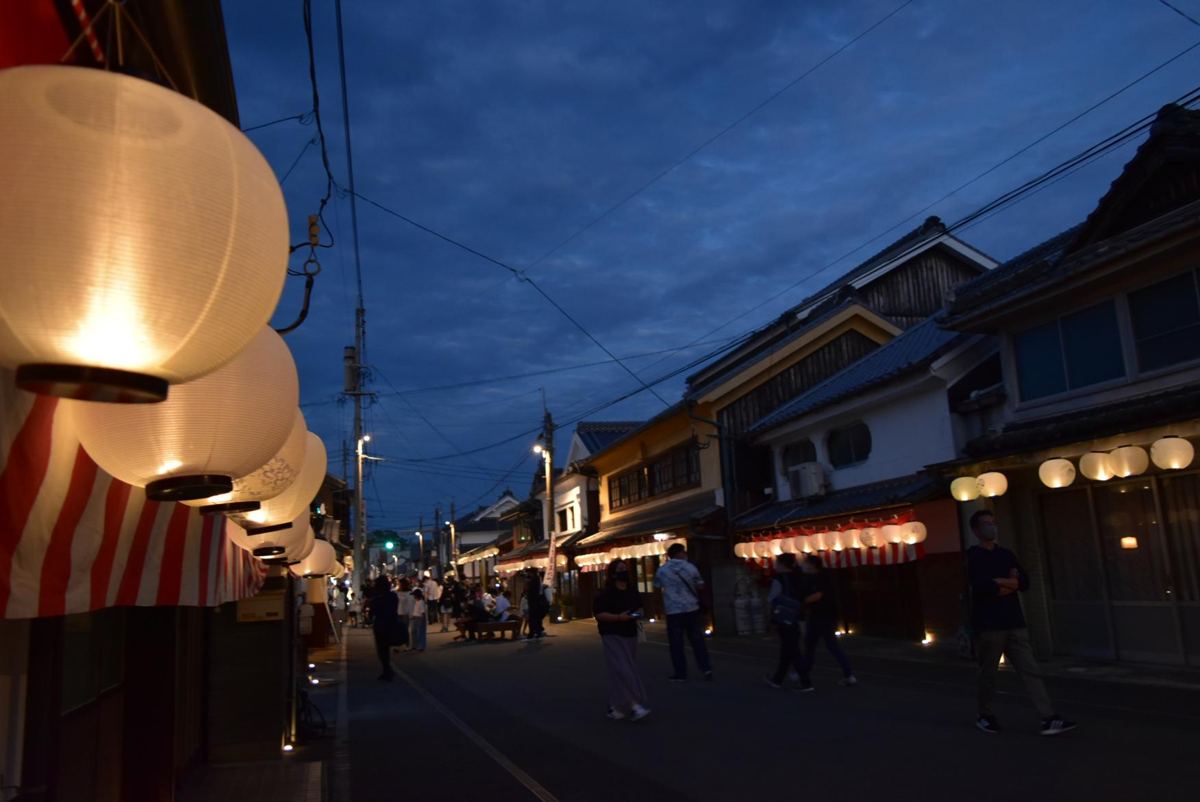
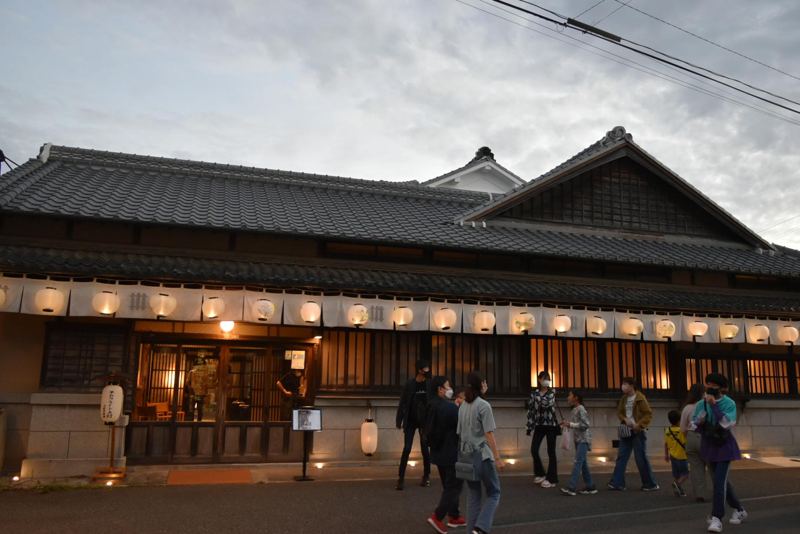
Yame-Fukushima old town at night
FUKUOKA BUILDERS' COLIVING · OCT 11 TO 14, 2026

Yame Guidebook

Everything for our four days in Yame: the schedule, a map you can move, where to eat, how to pay with SuzuPay, and the story of each place we visit.

WHENOct 11 to 14, 20263 nights, 4 daysBASEYame Green HotelYame-Fukushima old townEAT40 placesMost within a 15 min walkPAYSuzuPay4 shops on our route
SCHEDULE

Four days in Yame

Everyone togetherChoose one option each morning or afternoon. Staff will confirm groups on the bus.
DAY 1
Sun, Oct 11
Arrive and get grounded
EVERYONE
9:00Bus departs Fukuoka city for Yame
11:00Orientation at Yokomachi Machiya Koryukan: open dialogue with Yame Mayor Minohara (60 min), briefing on meals and options (15 min), introduction to the venue (15 min). Food map handed out.
12:30Pick your afternoon (Option 1 or 2). Luggage stays on the bus until 17:00.
CHOOSE ONE
OPTION 1MAX 6 · LUNCH INCLUDED
Satoyama Living: Everyday Lessons
Mountain food and handmade konnyaku in Tachibana
13:00Bus to the Former Ouchi Residence
13:15Satoyama lunch and a look around the house
14:30Short ride to Odotani no Sato
14:45Make konnyaku by hand
16:15Back to Yame-Fukushima (16:30)
OR
OPTION 2TEAM LUNCH PROVIDED
Baba Suishaba + Matsunobu Kogei
A working waterwheel incense mill and a wooden tub maker
13:00Team lunch in Yame-Fukushima
14:00Bus to Baba Suishaba (30 min)
14:30Waterwheel mill
15:30Matsunobu Kogei, wooden tubs (16:00)
16:45Back to Yame-Fukushima (17:00)
EVERYONE
17:00Check in at Yame Green Hotel
18:00Dinner at Nongyo, next to the hotel. Order and pay for your own dishes.
AfterOptional second round: a local karaoke bar in town
DAY 2
Mon, Oct 12
Indigo or tea, then the old town
CHOOSE ONE
OPTION 3MAX 10
Aizome Kasuri Kobo
Kurume Kasuri indigo workshop: tour and dyeing demonstration
9:30Depart from the hotel
10:00Workshop visit (90 min)
12:00Back in Yame-Fukushima, lunch on your own
OR
OPTION 4MAX 10
Chiyonoen Organic Tea Farm
Mountain tea fields and factory in Yabe
8:45Depart from the hotel (60 min ride)
10:00Tea fields, then the tea factory
11:30Lunch at the tea house (self-paid)
13:30Back in Yame-Fukushima
EVERYONE · YAME-FUKUSHIMA WALK
13:30Meet at Unagi no Nedoko, former Terasaki residence (shop for souvenirs here)
14:00Ogata Butsudan, Buddhist altar workshop
14:30Ito Gonjiro Shoten, Yame lantern maker
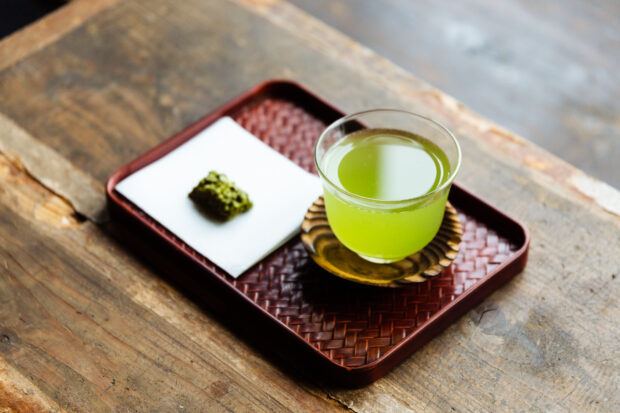
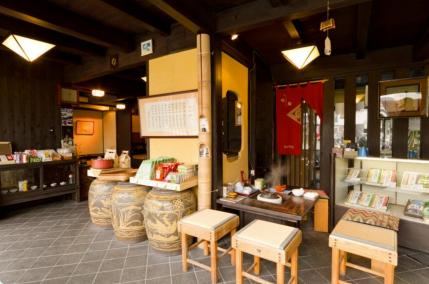
15:00Chakabuki tea tasting and matcha with Imamura-san, Yokomachi Machiya Koryukan
16:30Former Yame District Office and Asahiya Saketen: talk with Re:crafted
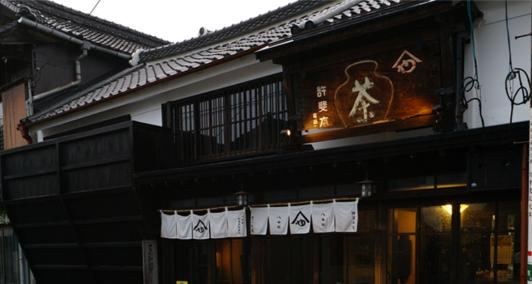
17:00Konomi Honke, a tea merchant house founded in the early 1700s
17:15Free evening
DAY 3
Tue, Oct 13
Thread, sake and the share-back
CHOOSE ONE
OPTION 5ABOUT 7
Shimogawa Orimono
Open factory at the last Kurume Kasuri weaver in Yame City
9:15Bus from the hotel (10 min)
9:30Factory tour and talk with the weaver
11:45Back to Yame-Fukushima
OR
OPTION 6ABOUT 7
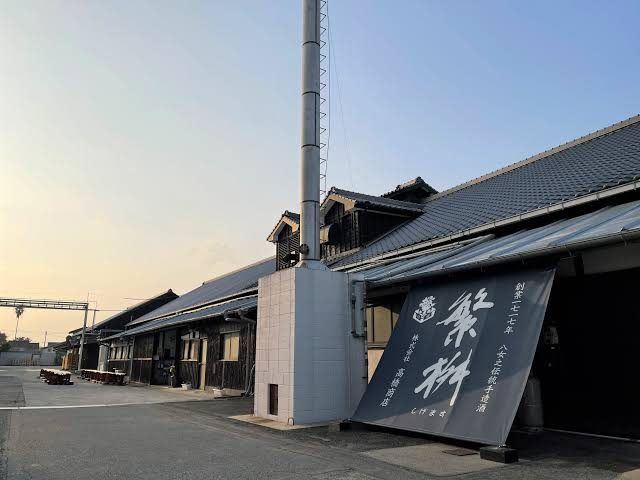
Takahashi Shoten
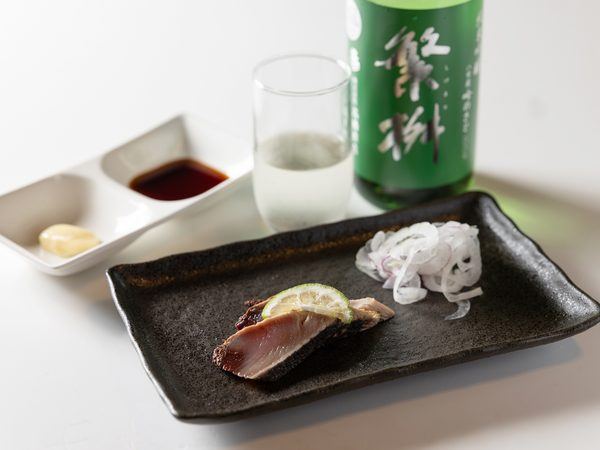
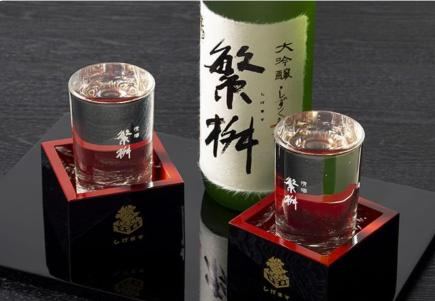
Shigemasu sake brewery, founded 1717: tour and tasting
9:15Walk from the hotel (10 min)
9:30Brewery tour, tasting and talk
11:30Walk back to Yame-Fukushima
EVERYONE
12:00Lunch together in Yame-Fukushima
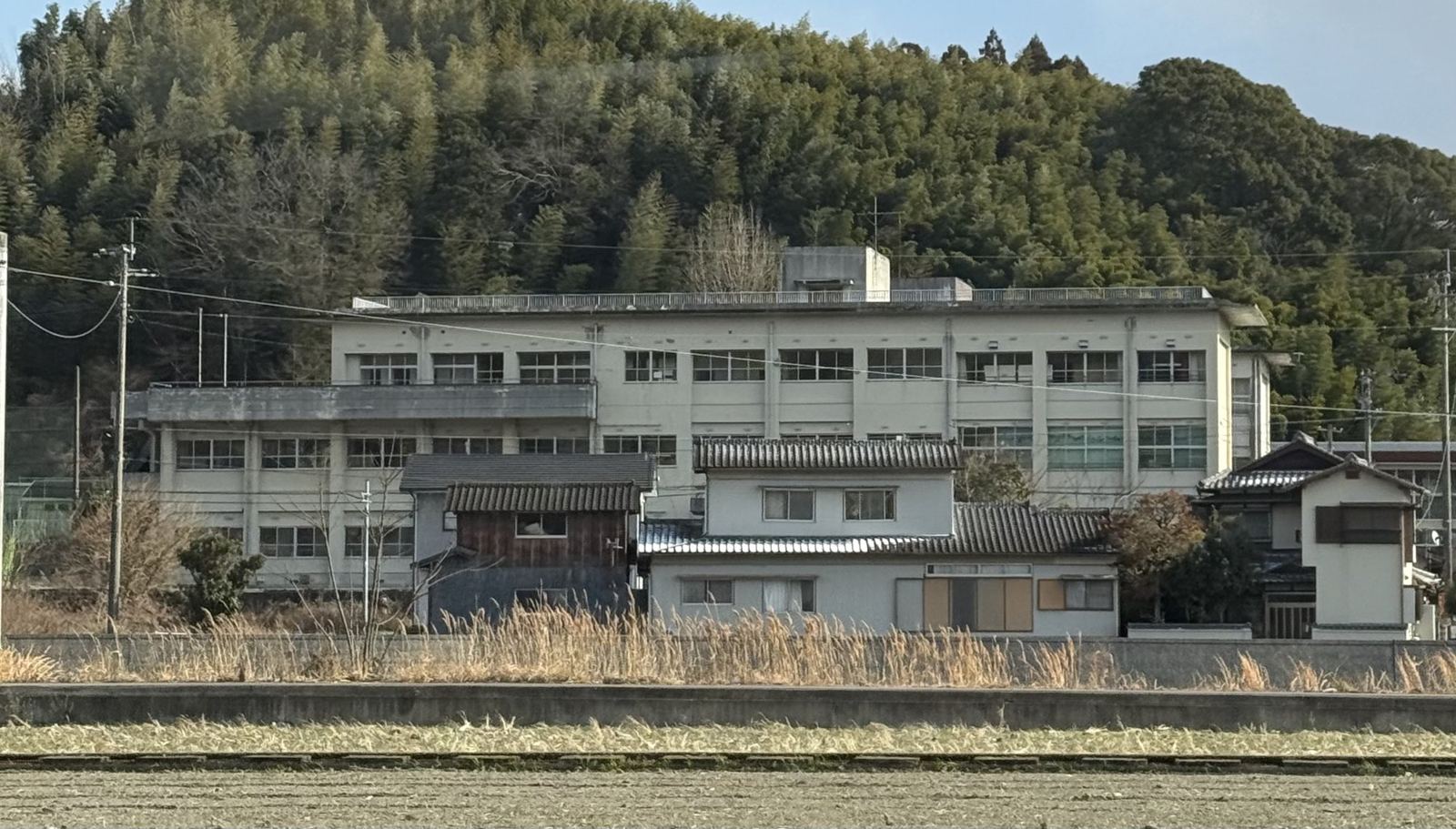
13:00Bus to the former Kawasaki Elementary School
13:30Introduction to the school and its Local Venture School by Oki-san
14:00Reflection workshop, Builders only, led by Jacquie
16:00Share-back to Yame: City Hall staff and the local hosts
17:00Dialogue with local businesses over tea and sweets
18:30Bus back to Yame-Fukushima. Free evening
DAY 4
Wed, Oct 14
Back to Fukuoka
EVERYONE
10:00Check out, then the Japan Tourism Agency survey (about 15 min, phone needed). Free time in Yame-Fukushima.
13:00Bus departs for Fukuoka. Drop-off points will be confirmed on Day 3.

Times may change on the day. Please follow the staff.

MAP

Where we go in Yame

Pinch or use + and − to zoom. Tap a pin for directions in Google Maps.

EAT

Where to eat in town

40 places from a Google Maps list made by Yuji Kiriake, our local coordinator. Most are within a 15 minute walk of the hotel. Small places close on set weekdays and between lunch and dinner, so check the hours before you go.

1
Café MITOTECafé · cafe MITOTE★4.4 · 104
Google Maps ↗
2
Rail Coffee RoastersCoffee · レイル コーヒー ロースター(RAIL COFFEE ROASTERS)★3.4 · 46
Google Maps ↗
3
CollectorCafé · コレクター★4.5 · 46
Google Maps ↗
4
Yame SahehoCafé · 八女サヘホ★4.1 · 37
Google Maps ↗
5
168kupukupuCafé and goods · cafe&zakka 168kupukupu★4.5 · 35
Google Maps ↗
6
Machiya BrotBakery · 町家ブロート★4.5 · 32
Google Maps ↗
7
Atelier & Café KajitsuCafé · アトリエ&カフェ 果実★4.3 · 29
Google Maps ↗
8
Kissa KanonCafé · 喫茶華暖(かのん)★4.5 · 15
Google Maps ↗
9
Kyo no KotowariCoffee · きょうのことわり★4.9 · 14
Google Maps ↗
10
Glee and Day'sCafé · Glee and Day’s グリーアンドデイズ★4.7 · 14
Google Maps ↗
11
Machiya Café ShioyaCafé · 町家CAFE しおや★4.2
Google Maps ↗
12
Adachi CoffeeCoffee · あだち珈琲八女店 一期一杯★4.3
Google Maps ↗
13
Sushi TachibanaSushi · 寿し割烹 立花★4.2 · 237
Google Maps ↗
14
KuboyamaKaiseki · くぼやま★4.5 · 207
Google Maps ↗
15
OkunoSeafood · 海鮮料理茶家 おくの★3.9 · 84
Google Maps ↗
16
Wa Dining UmeyaJapanese · 和Diningうめや★4.6 · 84
Google Maps ↗
17
KahoritsuguJapanese · お料理かほり継★4.4 · 82
Google Maps ↗
18
GinnokaJapanese and sake · 酒邸 吟乃香★4.0 · 82
Google Maps ↗
19
Kappo NakamuraJapanese · 旬彩割烹なかむら★4.2 · 75
Google Maps ↗
20
KamogawaEel · 加茂川★3.8 · 18
Google Maps ↗
21
Salmon-teiJapanese · サーモン亭★4.2 · 9
Google Maps ↗
22
SuzumeSushi · すゞめ★4.0
Google Maps ↗
23
Tsuruya, main shopUdon · うどん つるや 本店★4.1 · 411
Google Maps ↗
24
ShigeUdon · しげ★4.2 · 347
Google Maps ↗
25
AshiyaChampon noodles · ちゃんぽん専門店 あしや★3.9 · 258
Google Maps ↗
26
HanamurasakiUdon · 花むらさき★4.2 · 129
Google Maps ↗
27
MenshoUdon · 麺庄うどん★3.2 · 15
Google Maps ↗
28
Tsuruya, City HallUdon · つるや 市役所前店★4.0
Google Maps ↗
29
史蔵Soba · 史蔵★4.2
Google Maps ↗
30
KandonKorean rice bowls · 韓丼 八女店★3.9 · 380
Google Maps ↗
31
Kuma to TaiyoRestaurant · クマと太陽★3.9 · 257
Google Maps ↗
32
KazueMeat dishes · 肉料理 かずえ★4.1 · 233
Google Maps ↗
33
YoshiokaTonkatsu and wagyu · とんかつ・黒毛和牛専門店 吉岡★4.6 · 177
Google Maps ↗
34
Umeno ShotenCurry, café and bar · ウメノ商店★4.3 · 166
Google Maps ↗
35
NONOKA RestaurantFrench · NONOKA RESTAURANT★4.6 · 78
Google Maps ↗
36
Bar & Kitchen SoLSpanish · バル&キッチン SoL(ソル)★4.4 · 78
Google Maps ↗
37
TobikatayaHam and sausages · 飛形家TOBIKATAYA★4.5 · 43
Google Maps ↗
38
kumuTaiwanese · 八女里山的台湾飯店 kumu★4.0 · 31
Google Maps ↗
39
Bengara-muraHot spring with restaurant · 八女市健康増進施設 べんがら村★3.8 · 914
Google Maps ↗
40
SakaiyaHistoric merchant house · 堺屋(旧木下家住宅)★4.4 · 53
Google Maps ↗

Open the whole list in Google Maps

★ Google rating and number of reviews, checked on Oct 10, 2026. Within each group, places with more reviews come first.

SUZUPAY

Paying with SuzuPay

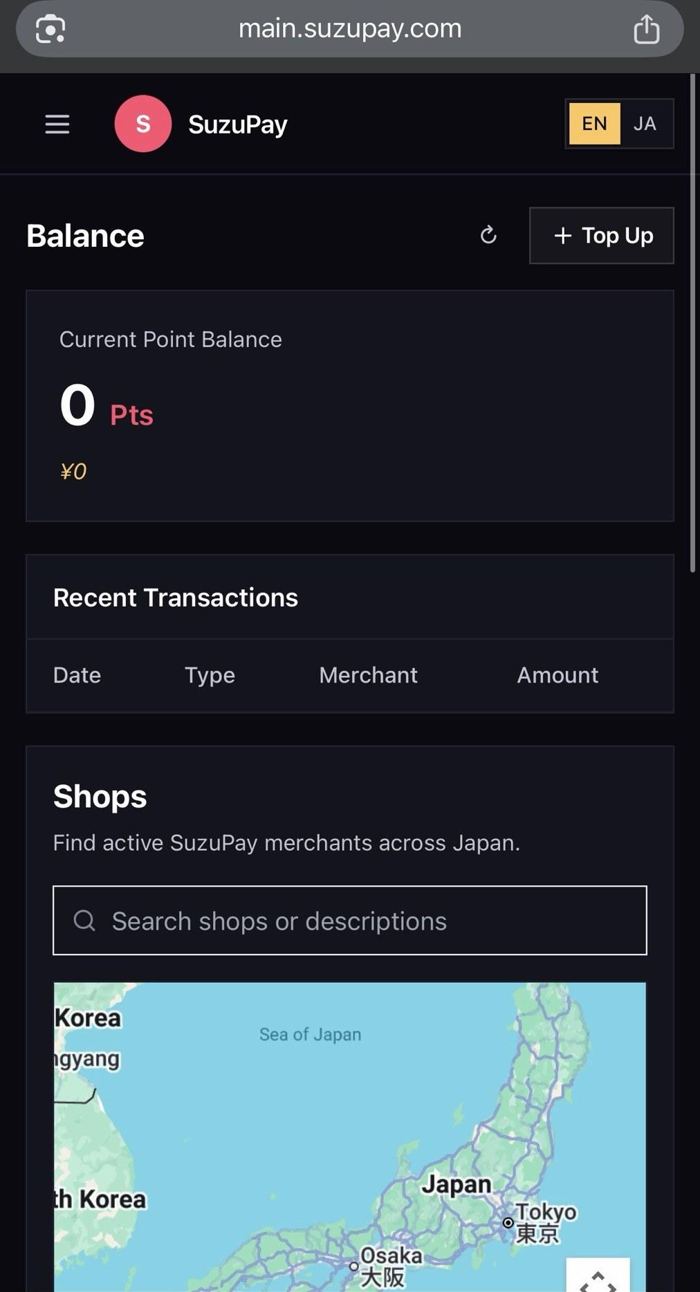
SuzuPay is a QR payment service you use in your phone browser, with no app to install. Points are in yen: 1 pt = ¥1. In this program it is how we leave a real trace in the local economy.

1Create an account

Open main.suzupay.com/login and sign up as "Customer" with your email and a password.

2Verify your email

Open the link in the email, then enter a display name and phone number.

3Enter your coupon

Staff will give you a code that starts with SZP-. It adds 5,000 pts after your email is verified. You can enter it at sign-up or later in Settings.

4Pay by QR

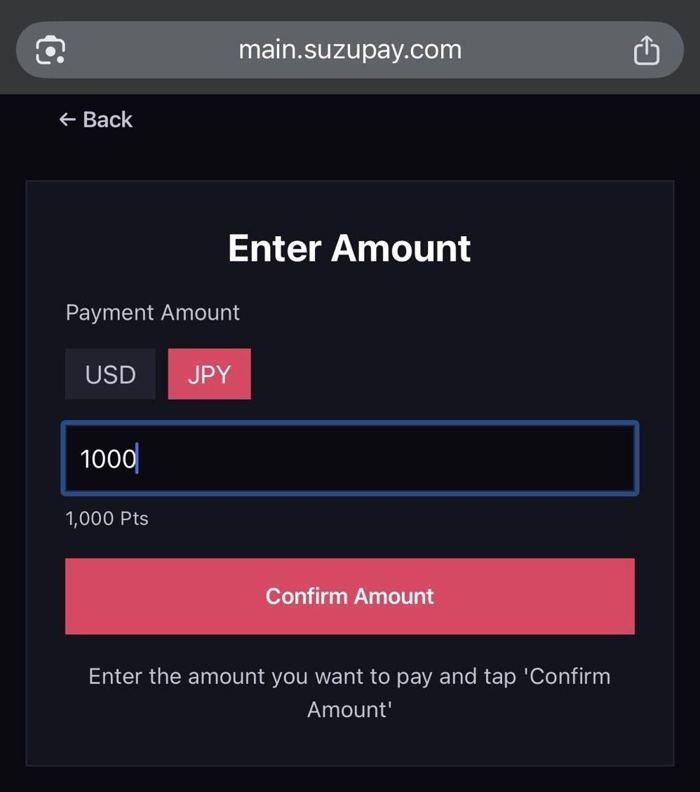
Open "QR Payment", enter the amount and show your QR to the staff. Or scan the shop's QR and confirm the shop name.

Home: balance and shops
Enter the amount
Show your QR
Good to know
  • Your QR expires after about 2 minutes. Tap "Refresh code" for a new one.
  • Points are valid for 6 months.
  • No refunds after payment. Check the amount first.
  • Switch between English and Japanese at the top right of the screen.
  • SuzuPay does not work at Unagi no Nedoko.
main.suzupay.com/login

Where to use it in Yame

Four registered shops in Yame are on our own route, so you can spend your points where you visit. Shop staff will show their QR, or ask for yours.

Option 4

Chiyonoen Tea Farm

A café with mountain dishes made from wild vegetables, tea sweets and tea grown on the farm.

6342 Kitaobuchi, Kurogi-machi
Option 5

Shimogawa Orimono

Kurume Kasuri fabric, happi coats for the Hakata Gion Yamakasa festival, bags, shirts and samue workwear.

1111-2 Tsue
Option 6

Takahashi Shoten

Sake brewery founded in 1717. Its signature sake is Shigemasu.

2-22-1 Honmachi
Day 2 town walk

Konomi Honke

Kyushu's oldest tea merchant, in a late Edo period town house. Seven of its buildings are Tangible Cultural Properties of Yame City.

126 Honmachi
Shop information and photos: SuzuPay. Questions about SuzuPay: GustoDevelopment Inc., info@gustodevelopment.com
VISIT SITES

The places we visit

DAY 1 · OPTION 1

Satoyama Living: Everyday Lessons

Former Ouchi Residence / Odotani no Sato · Tachibana
WhenOct 11, 13:00 to 16:30
CapacityMax 6
Getting thereBus
MealSatoyama lunch included (has meat dishes)
About the place

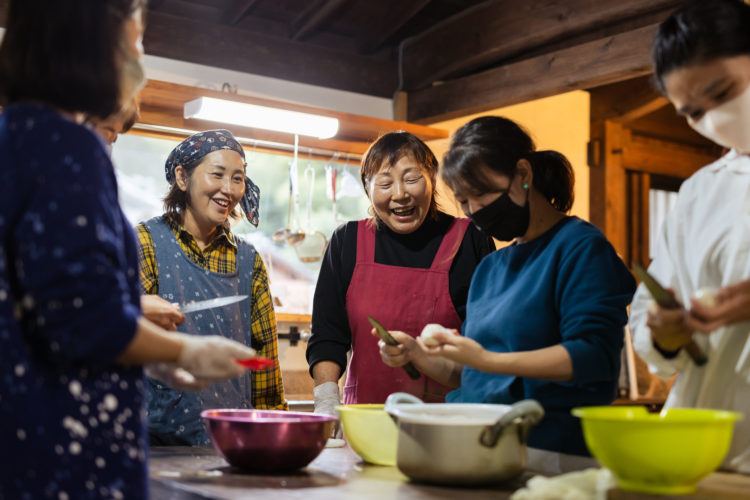
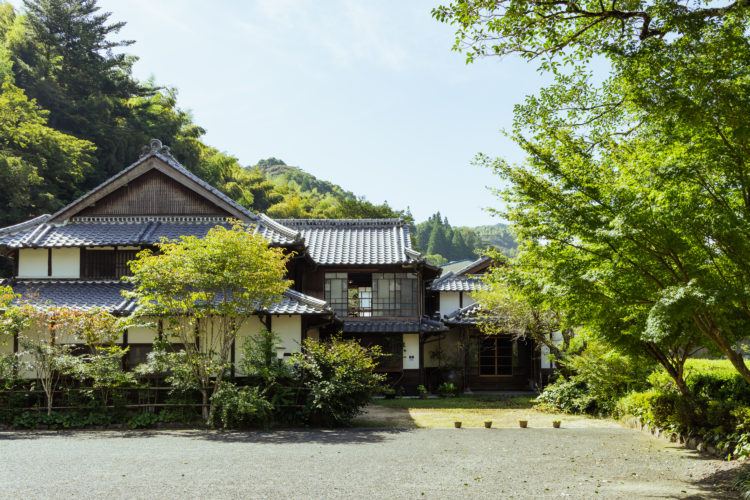
A half day in the hills of Tachibana: a satoyama lunch cooked by local mothers, then konnyaku made the old way with wood ash. Lunch is at the Former Ouchi Residence, birthplace of Ouchi Chozo, a politician who worked for friendship between Japan and China from the Meiji to the early Showa era. A local preservation group restored the house and reopened it in April 2023.

What to see
  • A satoyama lunch made from local seasonal food
  • Making konnyaku with Nakashima-san of Odotani no Sato, set with wood ash
  • The Former Ouchi Residence and the story of saving it
Why it matters

Know-how around pickles, konnyaku, bamboo craft and mountain work is not reaching the next generation. Here, cooking for guests is a way to keep that culture alive.

QUESTION TO CARRYHow can a skill that is only used for guests come back into daily life?
DAY 1 · OPTION 2

Baba Suishaba

Waterwheel incense mill · Joyo
WhenOct 11, leave 14:00, visit 14:30 to 15:30
Getting thereYame City microbus (about 30 min)
Meal13:00 team lunch in town
About the place

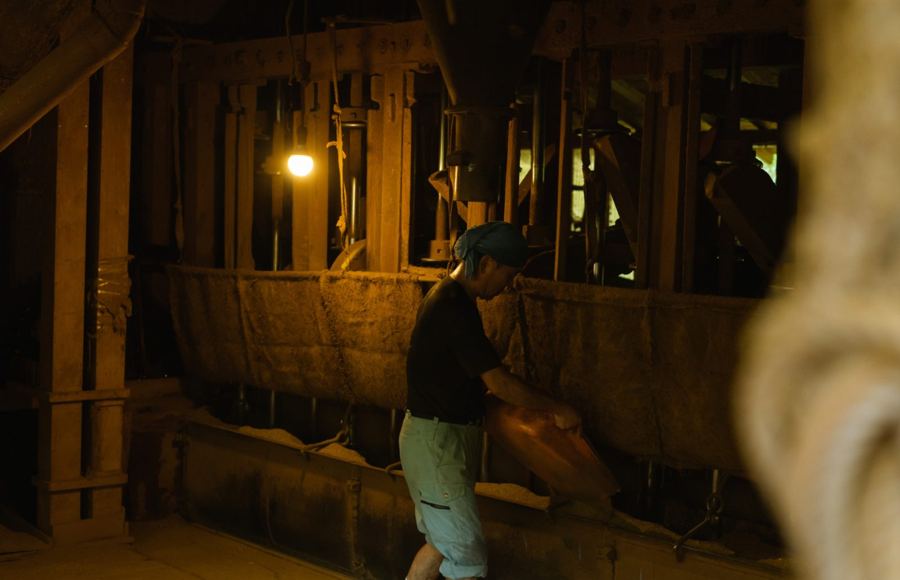
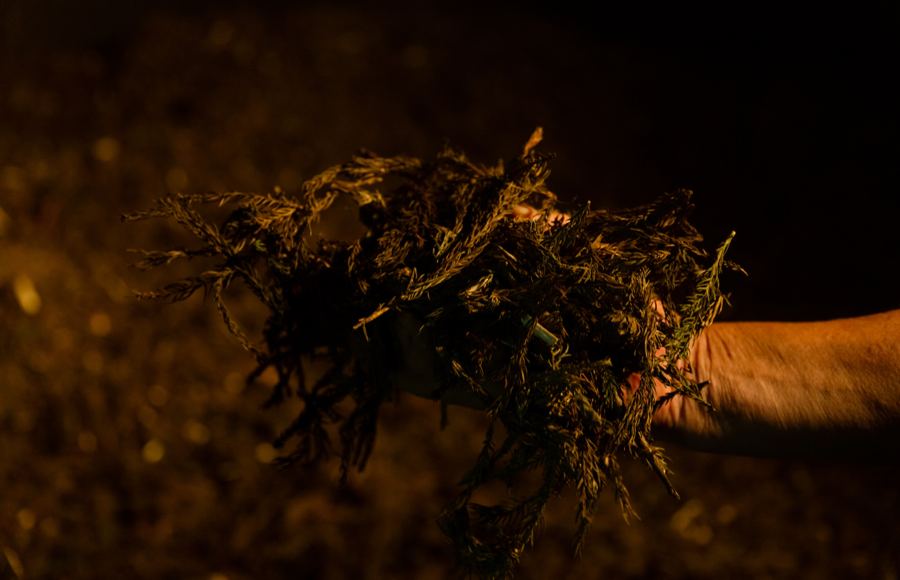
A working waterwheel mill that makes incense only from Yame cedar leaves and tabu leaves. A 5.5 m waterwheel drives 15 pestles that grind dried cedar leaves into powder over about 23 hours. Built in 1918 with money from 21 locals, bought by the Baba family in 1961, and rebuilt in 2008 by a father and son team of waterwheel carpenters from Kurume.

What to see
  • Pestles moved only by water, and cedar leaves turning to powder
  • Cedar incense with no added scent or color
  • Baba-san calls himself "the forest's cleaner"
Why it matters

About 60% of Yame is forest. At its peak the area had over 40 incense waterwheels, cut down by imports, electric power and a lack of successors.

QUESTION TO CARRYWhat would a business look like if it started from what the forest leaves behind?
DAY 1 · OPTION 2

Matsunobu Kogei

Wooden tub maker
WhenOct 11, 16:00 to 16:45
Getting there30 min from the mill, 10 min back to town
About the place

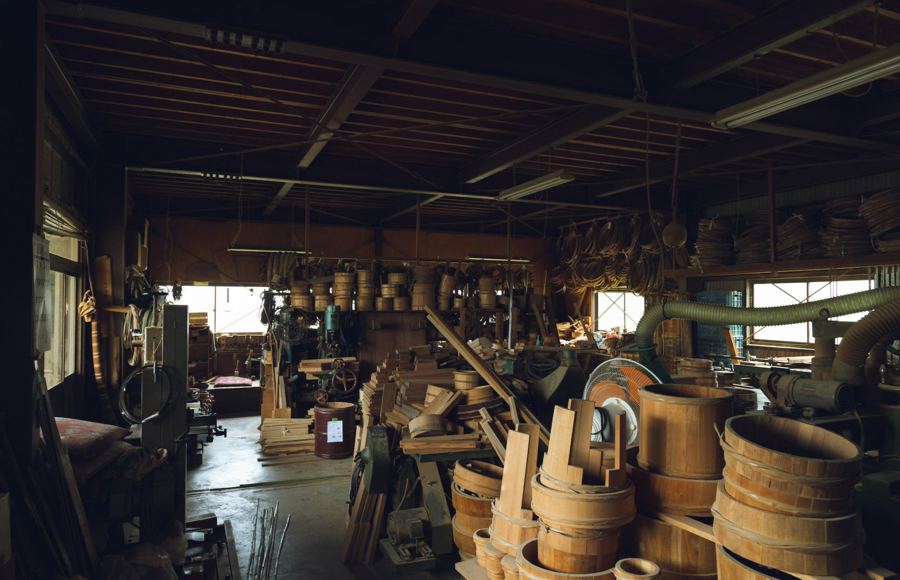
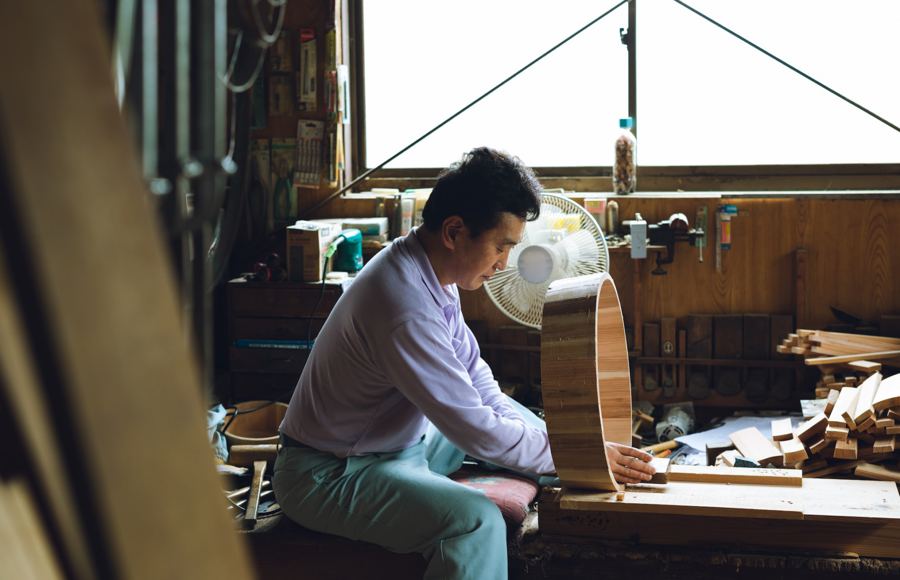
A tub maker founded in 1959 and now in its third generation. Rice tubs, sushi tubs, bath pails and pickling barrels, all made by hand from wood and bamboo. The Chikugo area once had around 60 tub makers; only a few remain in Kyushu today.

What to see
  • Hoops woven from Yame bamboo instead of metal
  • Boards of different widths matched by feel (about ten years to learn)
  • Ongoing demand from breweries, temples and taiko drum makers
Why it matters

Yame grows both cedar and bamboo, so the craft kept local work circulating. Some sake breweries are going back to wooden tubs.

QUESTION TO CARRYHow could being close to your raw materials become a strength again?
DAY 2 · OPTION 3

Aizome Kasuri Kobo

Kurume Kasuri indigo workshop · Hirokawa
WhenOct 12, leave 9:30, visit 10:00 to 11:30
CapacityMax 10
Lunch12:00 in town, on your own
About the place

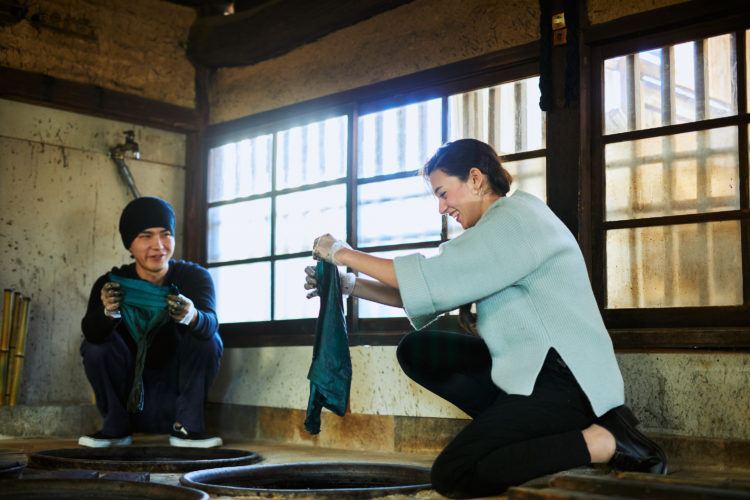
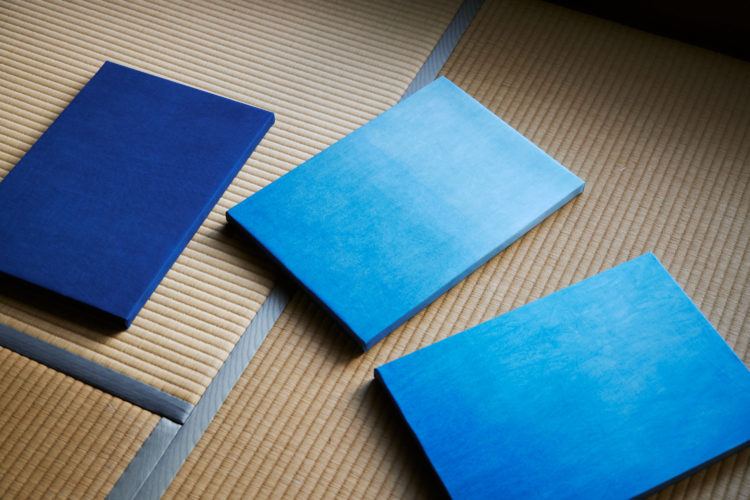
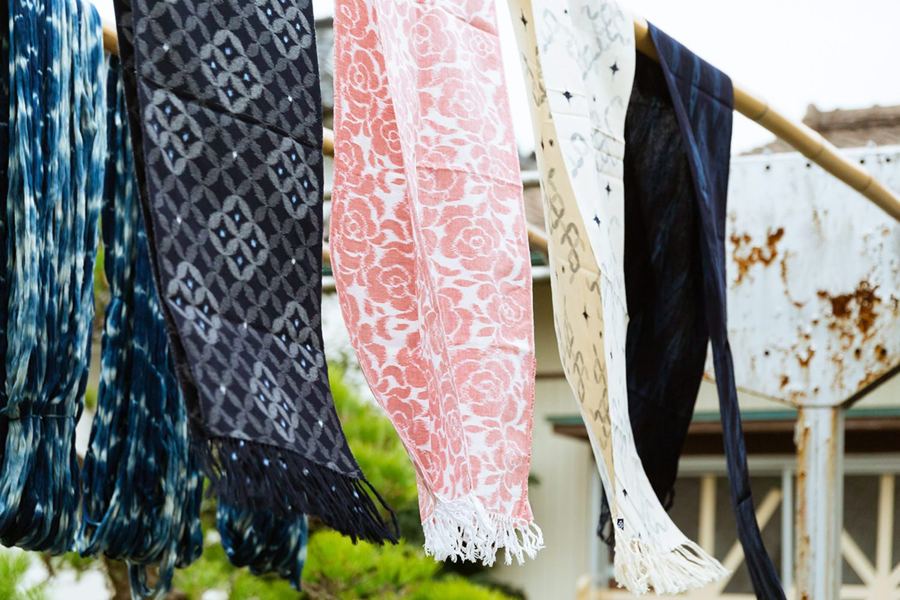
A Kurume Kasuri workshop founded in 1891. It keeps the traditional way of preparing indigo and dyes yarn more than 50 times to build its shades of blue. The fifth generation, Kensuke Yamamura, dyes; the fourth generation weaves.

What to see
  • Indigo made ready by fermentation, called aidate
  • Lye from local oak ash, wheat bran and shell lime from the Ariake Sea
  • Cloth coming out of the vat brown and turning blue in the air
Why it matters

Indigo is alive and needs care every day. Many trades in Yame depend on this kind of upkeep that visitors never see.

QUESTION TO CARRYWhat else in Yame relies on daily care that visitors never see?
DAY 2 · OPTION 4

Chiyonoen

Organic tea farm · Yabe
WhenOct 12, leave 8:45 (about 60 min), back 13:30
CapacityMax 10
LunchChiyonoen tea house, self-paid
About the place

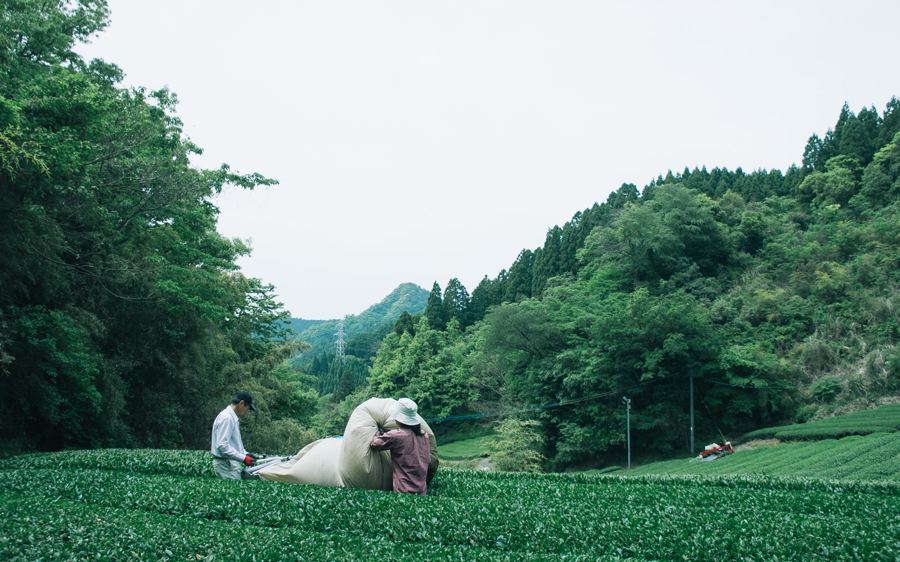
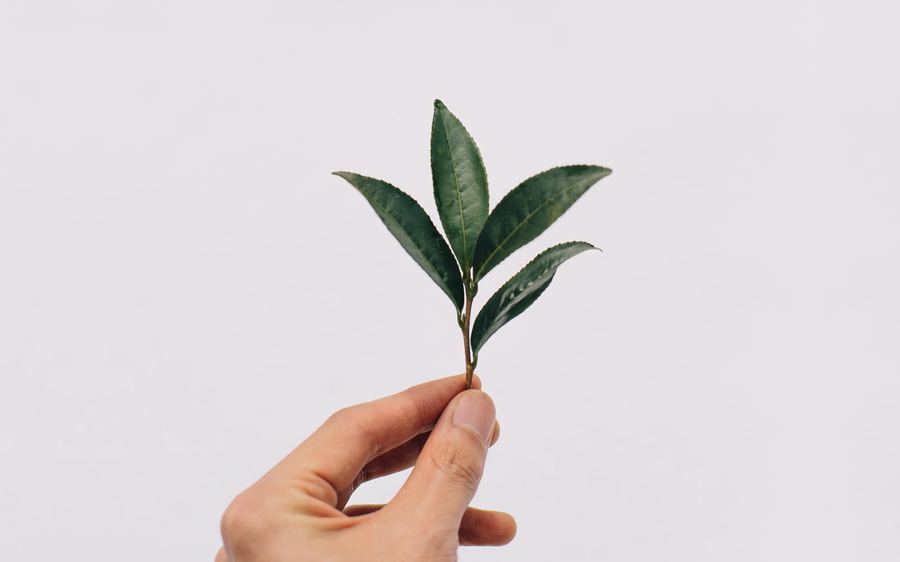
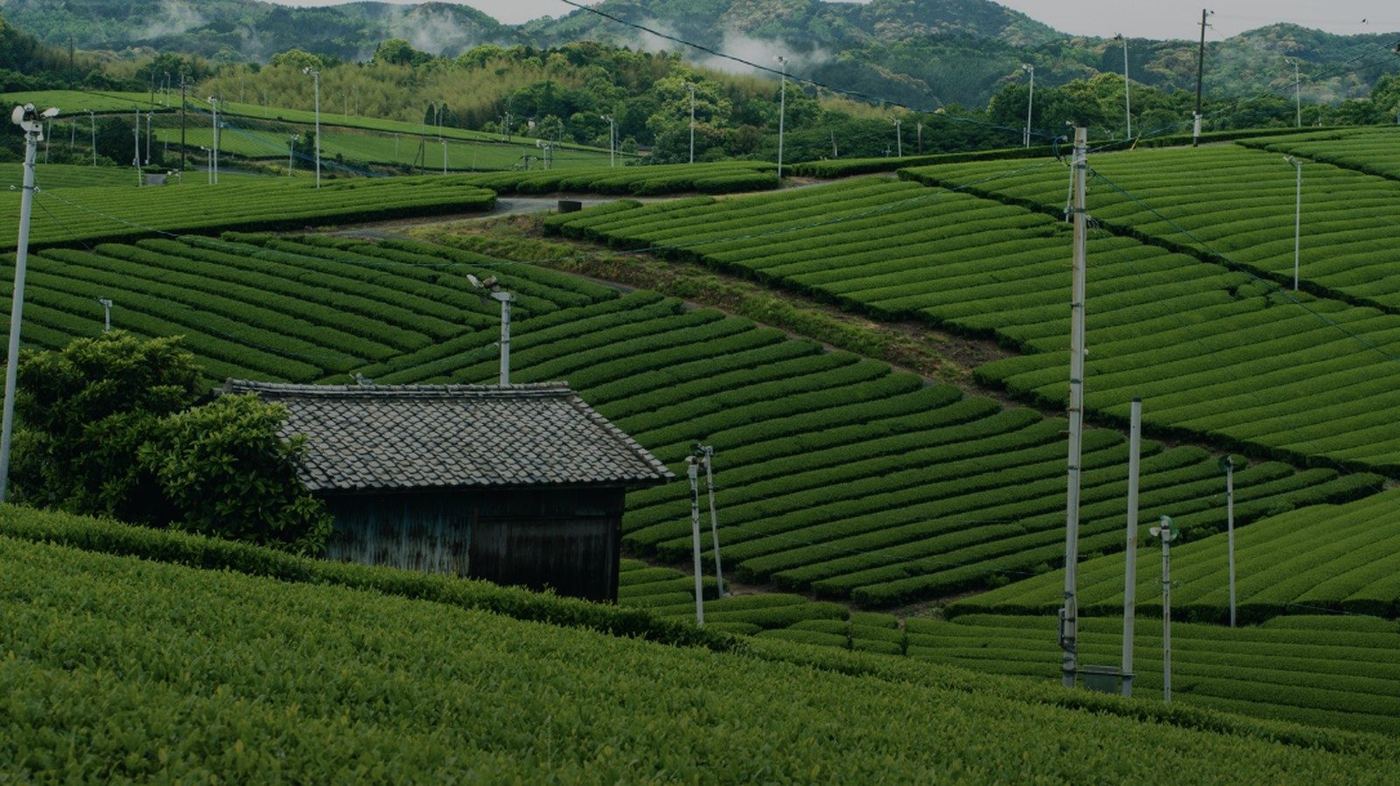
An organic tea farm at 400 to 600 m in Yabe Village. Snow covers the fields in winter and new buds come late; the farm calls this "late-budding tea from the snowy mountain". It makes green tea, Japanese black tea and oolong, with JAS organic certification since 2015.

What to see
  • Mountain tea fields and the tea factory
  • Lunch at the tea house
  • Fukuoka Design Award grand prize (2024); platinum at the Japanese Tea Award for its oolong (2023)
Why it matters

A chance to hear the matcha crisis from a grower. Yabe residents say they want to grow from 800 people to 2,000.

QUESTION TO CARRYHow do you tell a story about "late" and "small" in a matcha market that rewards fast and big?
DAY 2 · EVERYONE

Yame-Fukushima craft walk

Old town makers and merchant houses
WhenOct 12, meet 13:30, until 17:15
Meeting pointUnagi no Nedoko, former Terasaki residence (327 Honmachi)
GuidesRei Watanabe and Hirai-san
About the place

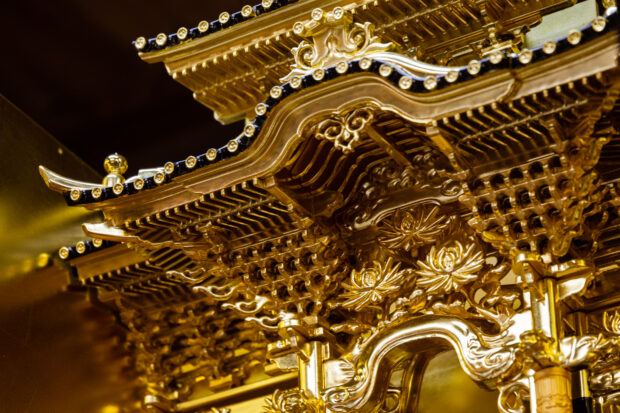
A walk through the white-walled old town. Ogata Butsudan does the final stage of Yame-Fukushima altars, lacquering, gilding and assembling. Ito Gonjiro Shoten makes Yame lanterns, first in Japan by volume. The Former Yame District Office was built in the Meiji era and restored by an NPO; part of it is Asahiya Saketen. Konomi Honke is Kyushu's oldest tea wholesaler, founded in the early 1700s, and gave "Yame tea" its name.

What to see
  • 13:30 Souvenir shopping at Unagi no Nedoko
  • 15:00 Chakabuki (a tea tasting game) and matcha with Imamura-san
  • 16:30 Re:crafted: a showcase of Yame crafts
  • 17:00 Konomi Honke, a late Edo town house and its tea roasting room
Why it matters

The white-walled streets and craft skills are what residents most want to keep. Here we meet the people who keep the town working.

QUESTION TO CARRYWhat would it take to turn the old streets from a place to look at back into a place to work?
DAY 3 · OPTION 5

Shimogawa Orimono

Kurume Kasuri weaver · open factory · Tsue
WhenOct 13, leave 9:15, visit 9:30 to 11:30
CapacityAbout 7
Getting thereYame City microbus (about 10 min)
About the place

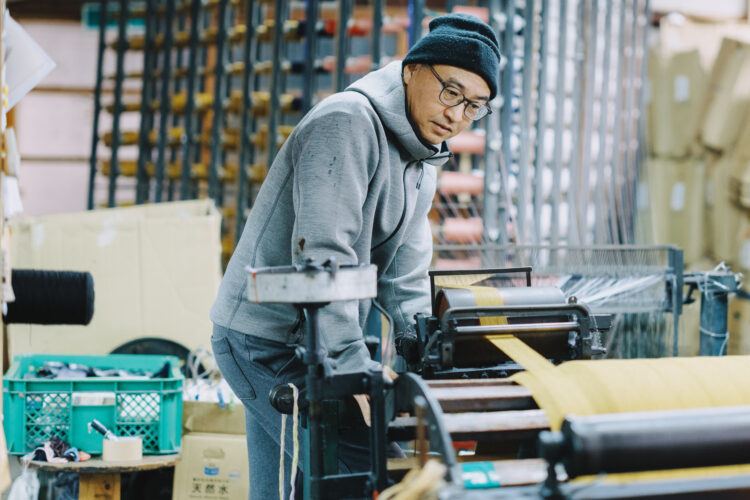
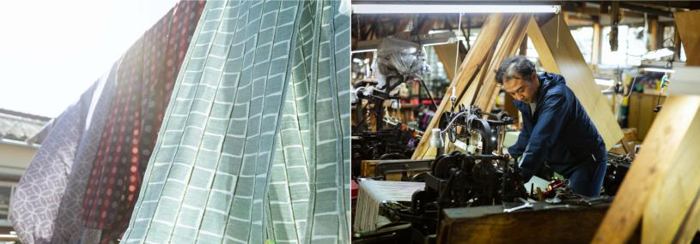
Founded in 1948, the last Kurume Kasuri weaver in Yame City. Third generation Kyozo Shimogawa took over at 22 after university, and his son has now joined. The workshop often works with artists from Finland, Sweden and other countries.

What to see
  • 20 looms driven by belts from one motor in the ceiling
  • A talk by Kyozo-san on the future of Kurume Kasuri
  • The gallery, with fabric sold by the meter
Why it matters

He keeps the old way while trying new sales channels and overseas projects. He also plans to join the Day 3 share-back.

QUESTION TO CARRYCould opening a factory to visitors work for other makers in Yame?
DAY 3 · OPTION 6

Takahashi Shoten (Shigemasu)

Sake brewery · in the old town
WhenOct 13, leave 9:15 on foot, visit 9:30 to 11:30
CapacityAbout 7
ProgramTour, tasting and talk
About the place

A sake brewery founded in Yame in 1717, now led by its 19th generation and known for the Shigemasu brand. It uses water from the underground flow of the Yabe River and Fukuoka rice, including Gin no Sato sake rice grown in Yame.

What to see
  • The process from rice polishing to pressing
  • Koji trays tracked with QR codes next to traditional methods
  • JAS organic, a lens wind turbine, and sake brewed with wind and solar power
Why it matters

A 300 year old brewery that records its work digitally and runs on renewable energy, and a member of Yame City's council for exporting local products.

QUESTION TO CARRYWhere else in Yame could old craft and new tools meet?

Former Kawasaki Elementary School and the Yame Local Venture School

Former Kawasaki Elementary School, Yamauchi, Yame
WhenOct 13, leave town 13:00, back 18:30
Getting thereYame City microbus
Address769 Yamauchi, Yame
The afternoon13:30 Introduction by Oki-san
14:00 Reflection workshop (Builders only)
16:00 Share-back to Yame
17:00 Dialogue over tea and sweets
A closed school, reopened for business

The former Kawasaki Elementary School is being turned into a base for people who want to start businesses in Yame, with a shared office for entrepreneurs. It is our workspace for Day 3, and the place where we give our ideas back to Yame.

The Yame Local Venture School

Launched in June 2026, the school grows "seeds of business built on local resources, culture and tradition". Its idea is simple: Yame is rich in tea, food and crafts, but their value does not travel far enough. More people running real businesses, not volunteering, is how the town meets population decline.

  • A business contest and venture school: 8 teams selected, with mentoring, lectures and a final pitch in February 2027
  • Kickoff on Oct 17, 2026, a few days after our visit
  • Judges include Mayor Yutaro Minohara and Takahiro Shiramizu, founder of Unagi no Nedoko
  • Discounted desks in the school's shared office for selected teams
Six themes the school puts forward
Empty houses and renovationKeep the old town and mountain homes in use
TeaYame is known for gyokuro, but there are few places to drink it and few who tell its story
Crafts and makingRaise the value of traditional crafts, factory tourism, new markets
Food cultureUpdate local dishes, research local ingredients
IT and work styleSoftware across industries, places to work, and welcoming long-stay digital nomads from abroad
DesignOpen factories, select shops, in-town designers
QUESTION TO CARRYThe school lists "welcoming long-stay digital nomads" as one of its themes. What would make you come back to Yame and stay?
Source: Yame Local Venture School, ylvs.jp
GOOD TO KNOW

Practical information

Meals
MealDetails
D1Lunch, Option 1Satoyama lunch included (has meat dishes)
D1Lunch, Option 2Team lunch provided by the program
D1DinnerNongyo, next to the hotel. Order and pay your own
D1After dinnerOptional second round at a local karaoke bar
D2LunchOption 3: on your own in town. Option 4: Chiyonoen tea house, self-paid
D2DinnerFree evening, on your own
D3LunchTogether in Yame-Fukushima

Vegetarian, pescatarian or allergies? Please tell the staff as early as you can so the hosts can prepare.

Paying in Yame
  • SuzuPay points work at Chiyonoen, Shimogawa Orimono, Takahashi Shoten and Konomi Honke. See the SuzuPay pages.
  • SuzuPay does not work at Unagi no Nedoko.
  • Unagi no Nedoko is closed on Oct 13 and 14. The Day 2 walk starts there at 13:30, so shop for souvenirs then.
Before you go
  • "Fukushima" on this schedule means Yame-Fukushima, the historic merchant district where we stay. Not Fukushima Prefecture.
  • Wear flat shoes. At the indigo workshop you crouch at the vats.
  • Bring clothes you do not mind getting dye or konnyaku on.
  • Mills, dye houses and weaving floors are working places. Ask before touching tools or machines.
  • Programs run in light rain. Only typhoons or severe weather warnings change plans.
  • Take notes for two. Your notes are the other group's only view of where you went.
People you will meet
·Yutaro MinoharaMayor of Yame (orientation, Day 1)
·Yuji Kiriake (dialogue)Local coordinator, check-in and evenings
·Rei Watanabe (UNA Laboratories)Guide and interpreter
·Hirai-san (UNA Laboratories)Guide for Option 4 and the town walk
·FM Yame teamLocal radio, joining the programs
·Oki-sanFormer Kawasaki Elementary School
GETTING THERE

From Fukuoka to Yame

44 km

South of Hakata Station in a straight line. Yame sits at the edge of the Chikugo plain, where the hills begin.

About 1 hour

By car on the Kyushu Expressway, which runs past Dazaifu, Tosu and Kurume to Yame IC.

9:00

Day 1: our bus leaves Fukuoka city. The orientation in Yame starts at 11:00.

13:00

Day 4: the bus leaves Yame for Fukuoka. Drop-off points are confirmed on Day 3.

WELCOME

Yame, the town

Tea fields of Yame
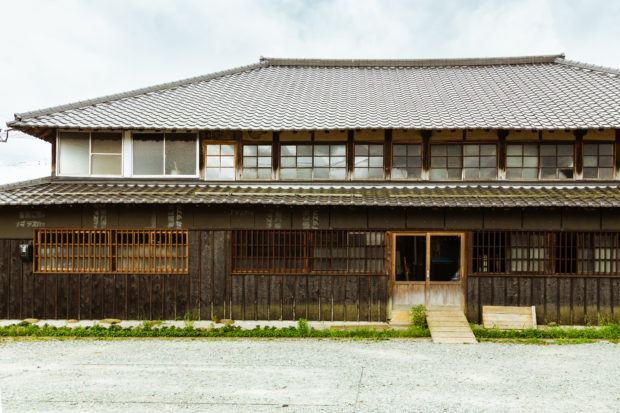
The white-walled old town of Yame-Fukushima after dark
60,608
Population, 2020 census
42,366
Projected population in 2040
482
km². Second largest city area in Fukuoka
6
Districts: Yame, Joyo, Kurogi, Tachibana, Yabe, Hoshino
One city, six districts

Yame took in Joyo Town in 2006, then Kurogi, Tachibana, Yabe and Hoshino in 2010. From the old merchant town of Yame-Fukushima on the plain to the source of the Yabe River in the mountains, altitude, work and daily life all change. Many people feel pride in their own district first.

More than a tea town

Next to Yame tea (first in Japan for gyokuro by production value), the town makes Yame lanterns (first in Japan by volume), Yame-Fukushima Buddhist altars, Yame washi paper, stone lanterns, cedar timber, Onokoyaki pottery, sake and fruit. From outside, people often see only "Yame = tea".

The matcha crisis: three structural problems
  1. The gains do not reach farmers. Wholesalers sit in between, so many tea farmers sell at the old price while world prices rise.
  2. Gyokuro or matcha. Moving to matcha makes economic sense, but the gyokuro tradition could be lost.
  3. Matcha no longer means Japan. Chinese production leads the world market, and matcha lattes of unknown quality sell for more than coffee.
Yame 2040 Vision

Yame City is drafting a vision for 2040 together with its residents, through dialogue sessions that began in July 2026. Residents have named what they want to keep. The next question is how to keep it.

Sources: Yame City Population Vision (revised March 2021), Yame City census page, Yame 2040 Vision website. The 2040 figure is a projection from 2021. Night photo: Crossroad Fukuoka.

Our mission in Yame

MISSION
Learn with the people of Yame, and offer an outside view they can use to decide what to keep and how.
How we work here
  • We are not here as tourists. This program, an official pilot of the Japan Tourism Agency, exists to bring new economic and social possibilities to the region.
  • No product is expected. What matters is dialogue with the people of Yame and the ideas that come out of it.
  • Ask about the problems people live with, not only the craft. Listen before you suggest.
  • Leave relationships and ideas that continue after Oct 14.
How the four days work
ImmerseDay 1 to 2
Walk the sites
ListenDay 1 to 3
Hear the makers
IdeateDay 3, 14:00
Reflection workshop
ShareDay 3, 16:00
Share-back to Yame
What we aim for together
#GoalYour part
1Understand what Yame's makers are proud of and what they struggle withAsk, listen, take notes
2Connect what the two groups saw into one picture of YameSwap notes over dinner and in free time
3Turn three days of notes into ideas Yame can useJoin the Day 3 reflection workshop
4Share those ideas with the people who hosted us, and talk them throughPresent and listen at the share-back
5Leave a real trace in the local economyUse your SuzuPay points at local shops
6Help improve this pilot for future visitorsComplete the survey on Day 4 (about 15 min)
Why we see six worlds

Each day the group splits in two and goes to different places. Food, forest and water, color, tea, thread and fermentation, seen side by side, show how these trades grow from the same mountains and the same water.

THE BIG QUESTIONYame's tea, wood, indigo, cloth, food and sake come from the same mountains and the same water. What could they become if we saw them as one system?
STAY

Where we stay, eat and spend the evenings

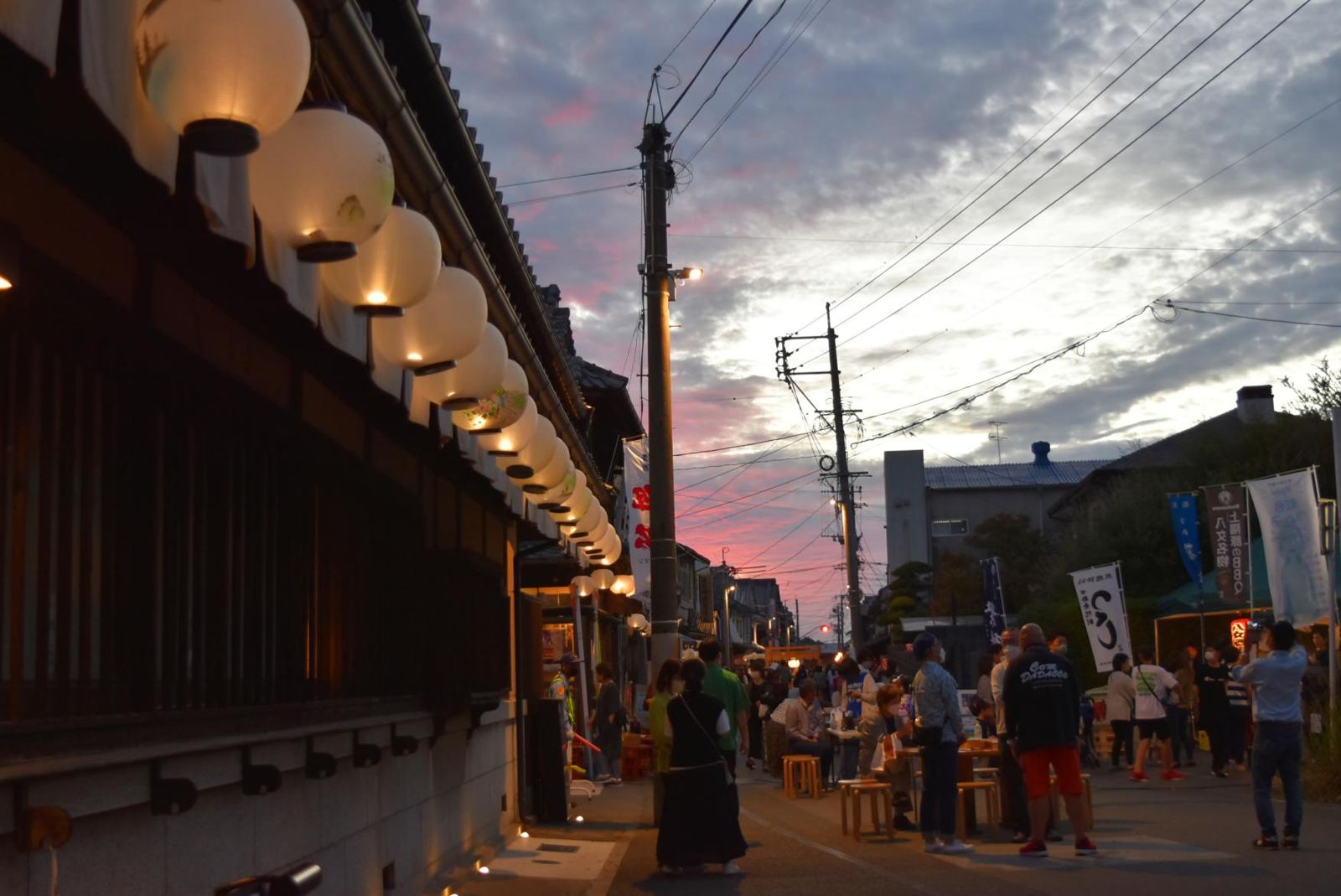
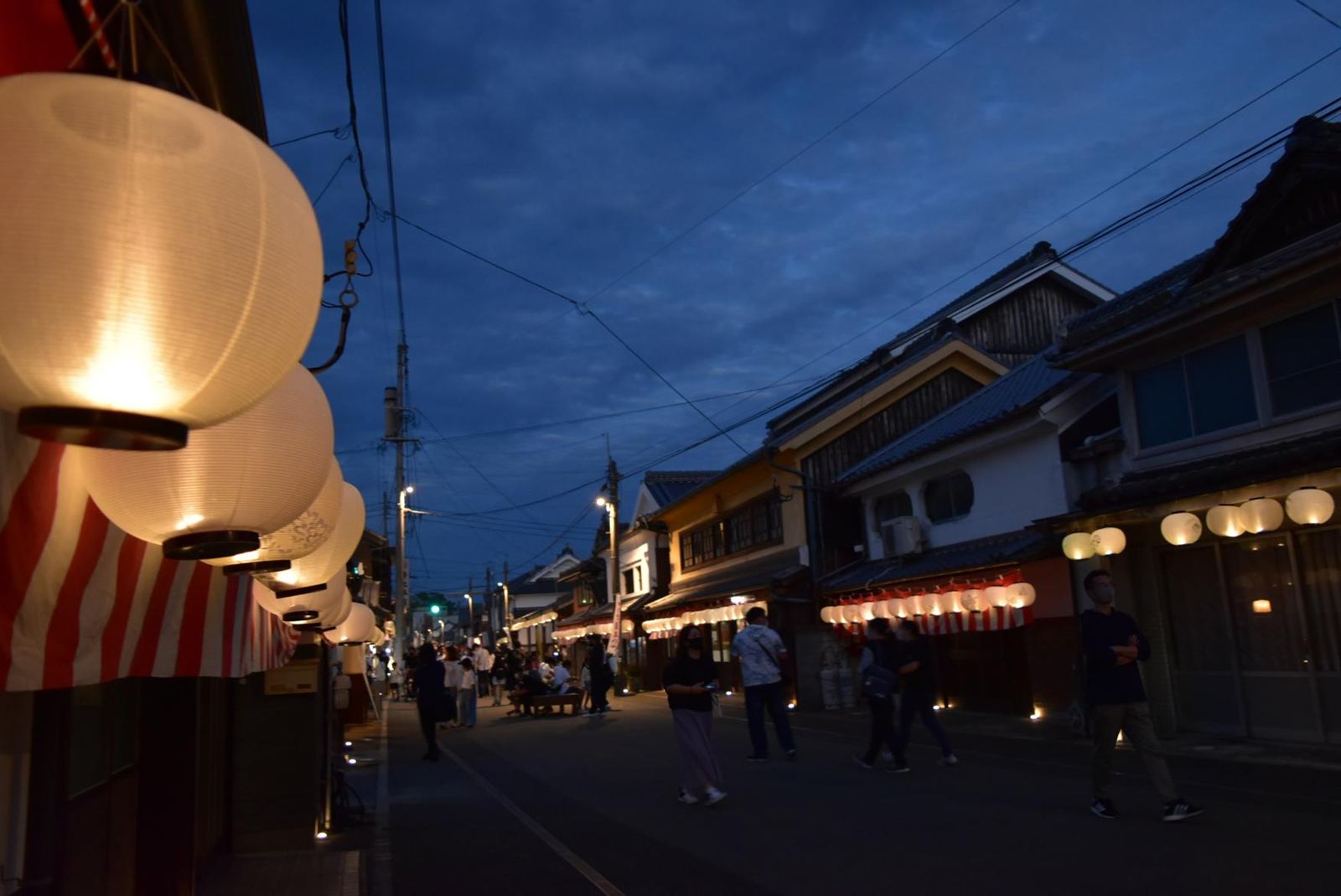
Lanterns along the old merchant street of Yame-Fukushima

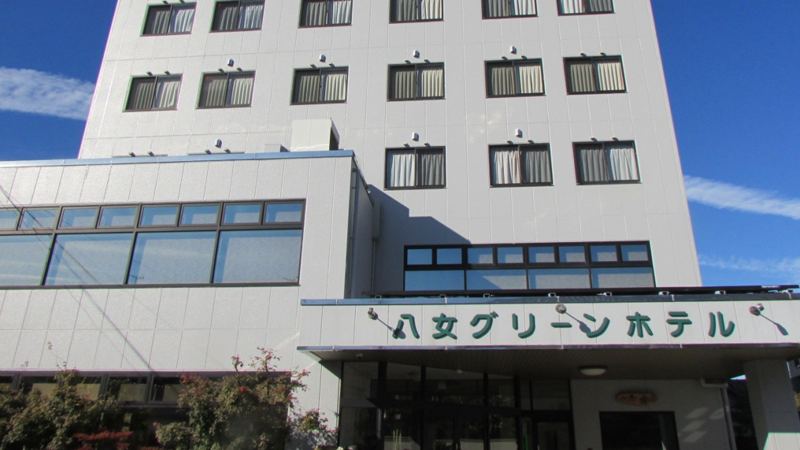
Yame Green Hotel

In the middle of the old town. Simple single rooms, Wi-Fi and a hot spring bath. Konomi Honke tea house is right behind it.

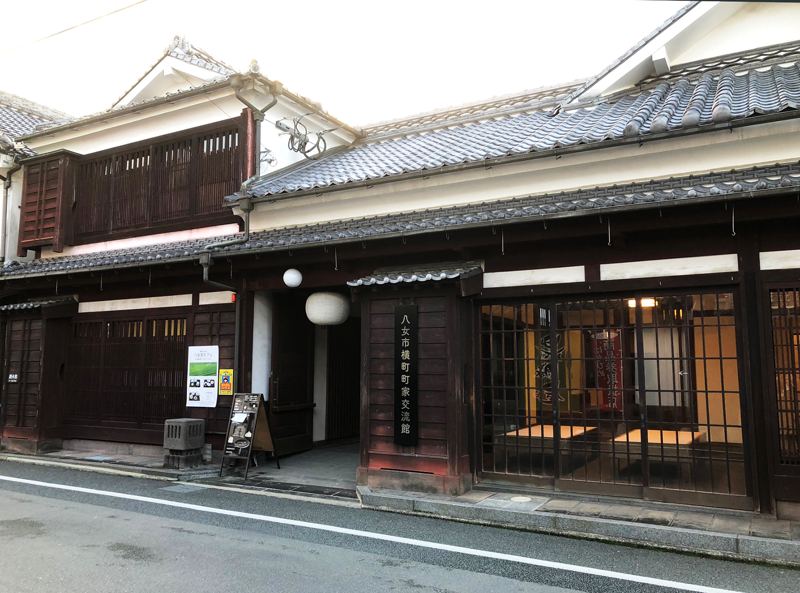
Yokomachi Machiya Koryukan

A merchant house used as a community venue. Our orientation on Day 1 and the chakabuki tea program on Day 2 take place here.

Evenings in the old town

Day 1 dinner is at Nongyo, the izakaya next to the hotel (order and pay your own), with optional karaoke after. Days 2 and 3 are free. Ask Kiriake-san for local bars and places to meet people from Yame.

Make the most of the nights

Evenings are when the two groups swap what they saw. The ideas get sharper when the two halves meet. A short walk through the lit-up streets after dinner is one of the best ways to feel how the town lives.

QUESTION TO CARRYWhat did the other group see today?
Photos: Crossroad Fukuoka, Yame Fukushima Tourism Association, Yame Green Hotel